1. The First Question Is Not How to Paint, but Where to Paint
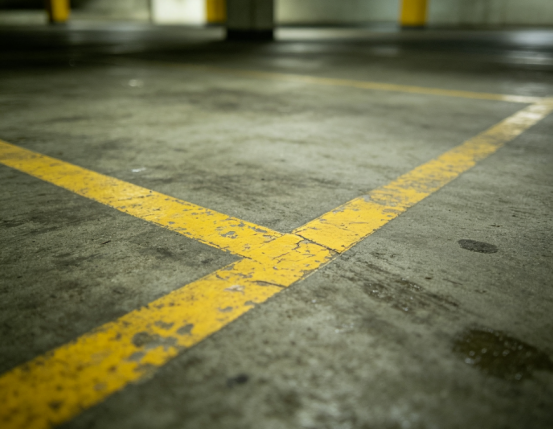
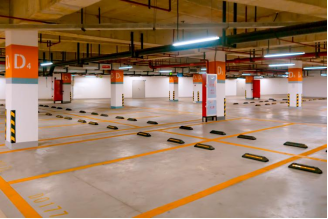
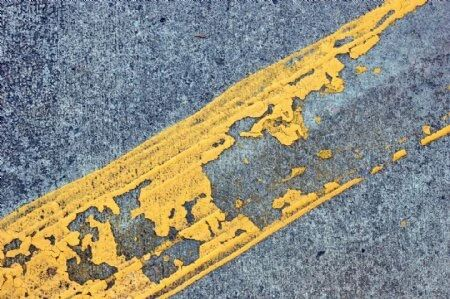
After a parking lot has been used for some time, some parking space lines may become significantly worn while other areas remain relatively clear. If the original parking layout has not changed, localized maintenance may be more practical than remarking the entire parking lot.
Once the work begins, however, an important question quickly appears: where exactly should the new line be applied when the old one has faded?
Applying new markings based only on visual judgment may create differences in parking space width, line direction, or boundaries. Before opening the marking paint, the maintenance area and original parking layout should therefore be identified.
2. Clean the Surface and Identify the Existing Layout
Parking lots experience continuous vehicle traffic and parking, so dust, soil, and other contaminants may accumulate on the pavement. The application area can first be cleaned while the remaining condition of the original markings is inspected.
If the original line outline is still relatively clear, it can provide a reference for subsequent layout work. If the marking is heavily worn, onsite measurement may be necessary based on surrounding spaces and the overall parking layout.
The objective at this stage is to create an area suitable for measurement and subsequent marking work.
3. On-Site Measurement Is More Reliable Than Visual Estimation
After identifying the area to be remarked, the parking spaces can be measured onsite. Actual dimensions should follow the project design, site requirements, and applicable local standards rather than being based on one arbitrary fixed measurement.
Measurement should consider not only an individual parking space but also adjacent spaces, traffic aisles, and the overall arrangement. For localized repair, the newly applied markings should coordinate with existing lines that remain in service.
Small-area marking may require simpler equipment, but this does not make layout preparation unnecessary.
4.Masking Tape Can Help Define Small Application Areas

For manual marking work in parking lots, factories, and other small facilities, masking tape or similar auxiliary materials may be used after measurement to define the application boundaries.
Defining the work area in advance helps the operator identify where the material should be applied and can assist in creating cleaner line edges. The auxiliary material can then be handled according to the application process after the marking reaches the appropriate condition.
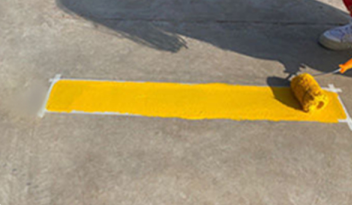
Masking tape, however, is only a tool for defining the boundary. The actual marking position still depends on accurate onsite measurement and layout.
5. Localized Maintenance Means Repairing the Areas That Actually Need Attention
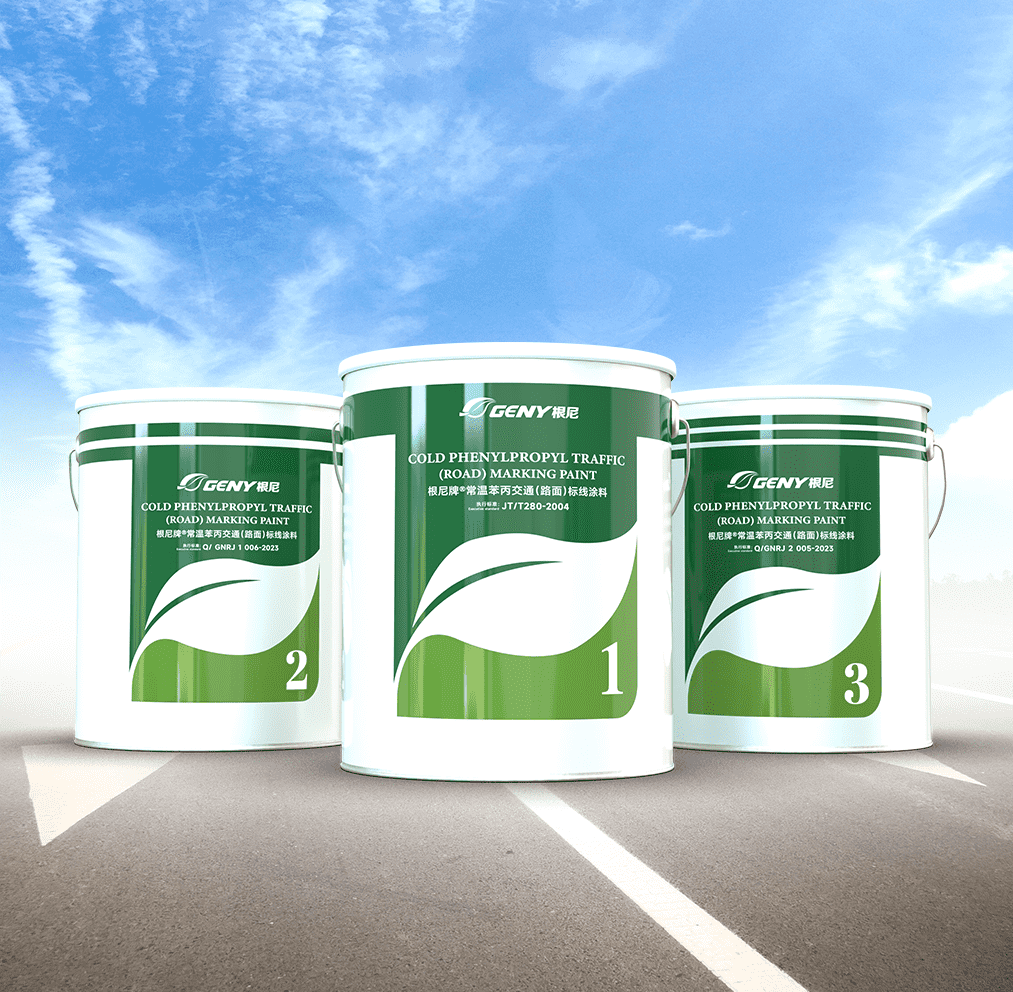
GENY focuses on facility marking applications including parking lots, factories, warehouses, and logistics parks, with products and application approaches suited to smaller marking projects and localized maintenance.
When only a few parking spaces are worn, the process can begin by inspecting the overall marking condition, identifying the areas that actually require maintenance, cleaning the pavement, measuring the layout, defining the application area, and then applying the marking material.
is more than simply painting wherever an old line has faded. Proper measurement and preparation help new markings remain consistent with the existing parking layout.