Preface
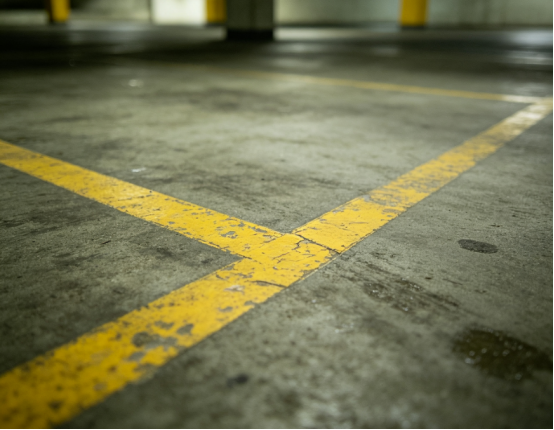
Many construction companies have encountered this situation: the markings look white and bright right after they are drawn, but soon they turn yellow, dark, peel off or fall off. This not only affects the acceptance but also requires rework and re-drawing, which is both labor-intensive and costly. In fact, the vast majority of problems are not due to "bad luck", but rather these six common causes. Understand this article and avoid half of the pitfalls in your next construction.
Six reasons
1.The most fundamental reason is that the paint itself has poor weather resistance and turns yellow when exposed to the sun: inferior raw materials, unstable formula, insufficient titanium dioxide content, and it oxidizes and turns yellow when exposed to ultraviolet rays. Especially the white markings, which turn gray and dark within a few months, look very old. High-quality marking paint is made from weather-resistant materials and remains bright even after long-term exposure to sunlight.
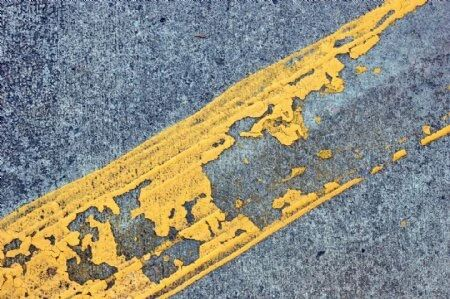
2. The road surface of the enterprise was not cleaned thoroughly. The "layer" of dust and sand gathered to promote development. Whether the marking lines can be stuck firmly depends entirely on whether the ground is clean or not. The road surface was covered with dust, loose sand, soil and oil stains that were not cleaned up, and the paint was directly applied to the floating layer. After drying, it seems to stick together, but as soon as it is crushed or exposed to the wind, the whole piece peels off and falls off. The correct approach: Before construction, it is necessary to clean and blow, and if necessary, rinse and dry.
3. The road surface is damp or wet. Construction is carried out before the road is completely dry. Moisture is the "number one killer" of road markings. Construction was carried out before the road surface was completely dry after the rain, in the early morning, or after watering. Moisture is trapped beneath the paint film. When heated, it expands and directly bulges, peels off and falls off. The underground garage and the cold road surface are particularly obvious. Construction must be carried out only after it is completely dry.
4. Applying too thickly at one time, with the outside dry but the inside not. Many people, in order to save time, want to "apply enough in one coat". The paint is too thick. The surface is dry while the inside takes a long time to cure. When the vehicle is pressed over or the temperature changes, it will crack, wrinkle and fall off in whole pieces. The correct way to do it: Apply it thinly in multiple coats. Wait until each layer is completely dry before applying the next one.
5. The construction temperature is not suitable, and there is no distinction between summer and winter. Temperature directly affects drying and adhesion. In summer, when exposed to high temperatures and intense sunlight, the paint dries instantly on the surface and is prone to wrinkling and bubbling. Low temperature in winter: Drying is extremely slow, adhesion decreases, and it is prone to fall off in the later stage. The optimal construction temperature is generally between 10℃ and 30℃, and extreme weather should be avoided.
6. The old lines were not treated, and the new paint directly covered the old ones
To ensure good marking lines do not fall off, remember these 4 points
1. Choose coatings with stable weather resistance to avoid yellowing from the source
2. The road surface must be clean, dry and free of oil stains
3. Apply thin coats multiple times without being overly eager or in a hurry
4. Pay attention to the temperature and weather, and do not carry out construction blindly
A truly durable marking line is never one that looks good at the moment it is drawn, but one that remains clear and firm after half a year or even a year.
A good project starts with a good line.