Currently, the road marking paints used in China mainly include hot-melt reflective paints and room-temperature solvent-based paints, as well as water-based road marking paints and two-component road marking paints, which have been developed in recent years.
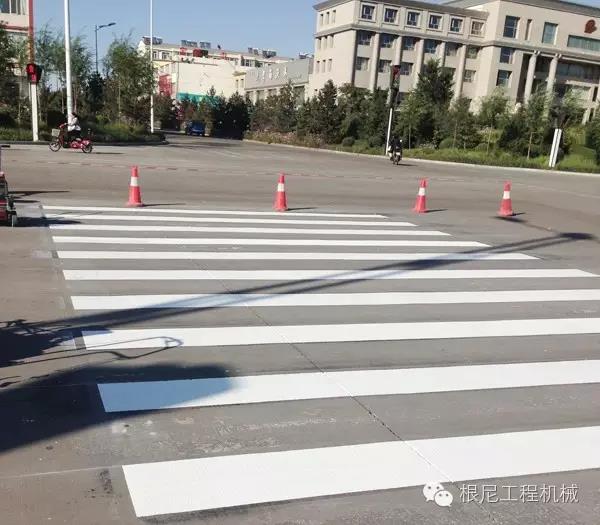
Room Temperature Solvent-Based Road Marking Paint:
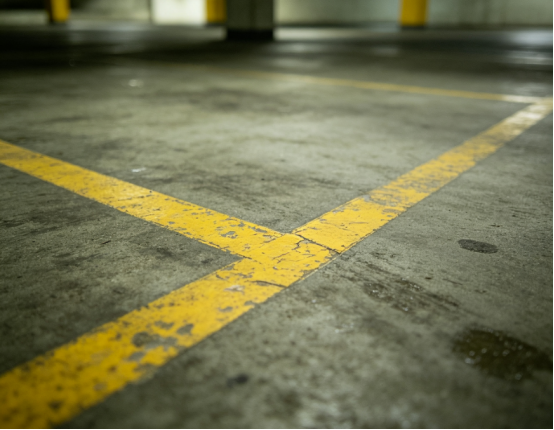
This is one of the earliest types of road marking paint used. It contains more than 30% organic solvents. The markings have a thin film thickness, with a wet film thickness of approximately 0.3–0.5 mm. Therefore, it has a shorter service life, generally 4–8 months, depending on traffic volume. It is suitable for urban roads and secondary roads, as well as factories, residential areas, ports, parking lots, and airports. For repainting old markings, the new coating can be sprayed directly onto the old coating.
Hot-Melt Reflective Road Marking Paint:
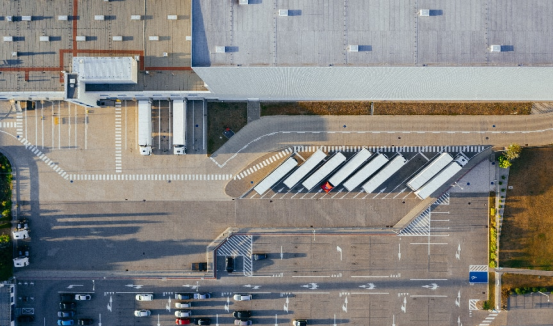
This is mainly used on highways and roads of level 2 and above. The markings made with this paint have a coating thickness of (1.5–2.5) mm. The paint contains reflective glass beads, and additional reflective glass beads are sprinkled on the surface during application. This type of marking has excellent nighttime reflectivity and a longer service life, generally (2–3) years, depending on traffic volume and the quality of the paint itself. The application of hot-melt paint requires special heating equipment. When repainting old markings, the thicker old coating must be removed before application.
Water-Based Road Marking Paint:
This is a water-based road marking paint characterized by the addition of hard polymer or inorganic compound particles that absorb water. The preferred particles are ion exchange resin beads. The addition of these particles during application significantly improves the drying speed of the paint on the road. Because this paint contains little or no VOCs, it is more environmentally friendly. Its service life is similar to that of solvent-based road marking paint, but its cost is much higher.
Two-Component Road Marking Paint:
This consists of two components: one component is composed of resin, pigment, filler, and additives, and the other component is the curing agent. During application, the two components are mixed in a certain proportion. The film formation mechanism is a chemical cross-linking reaction. Because this type of paint contains little or no VOCs, it is more environmentally friendly, has good adhesion to the road surface, and the paint film is not easily soiled. It can be used in areas with little rainfall and prone to soiling, and is also suitable for laying anti-slip road surfaces or for marking raised, vibratory, and reflective road markings on highways. These markings have good reflective properties in rainy nights and also provide a certain degree of anti-slip function.
GENY road marking paint is produced using a fully automated production line. Its formula, ease of application, and film performance indicators all meet international advanced standards. GENY is currently the only company in China that can simultaneously produce hot-melt road marking paints meeting American, British, and Chinese international standards, and can also accept customized non-standard orders according to customer requirements.